
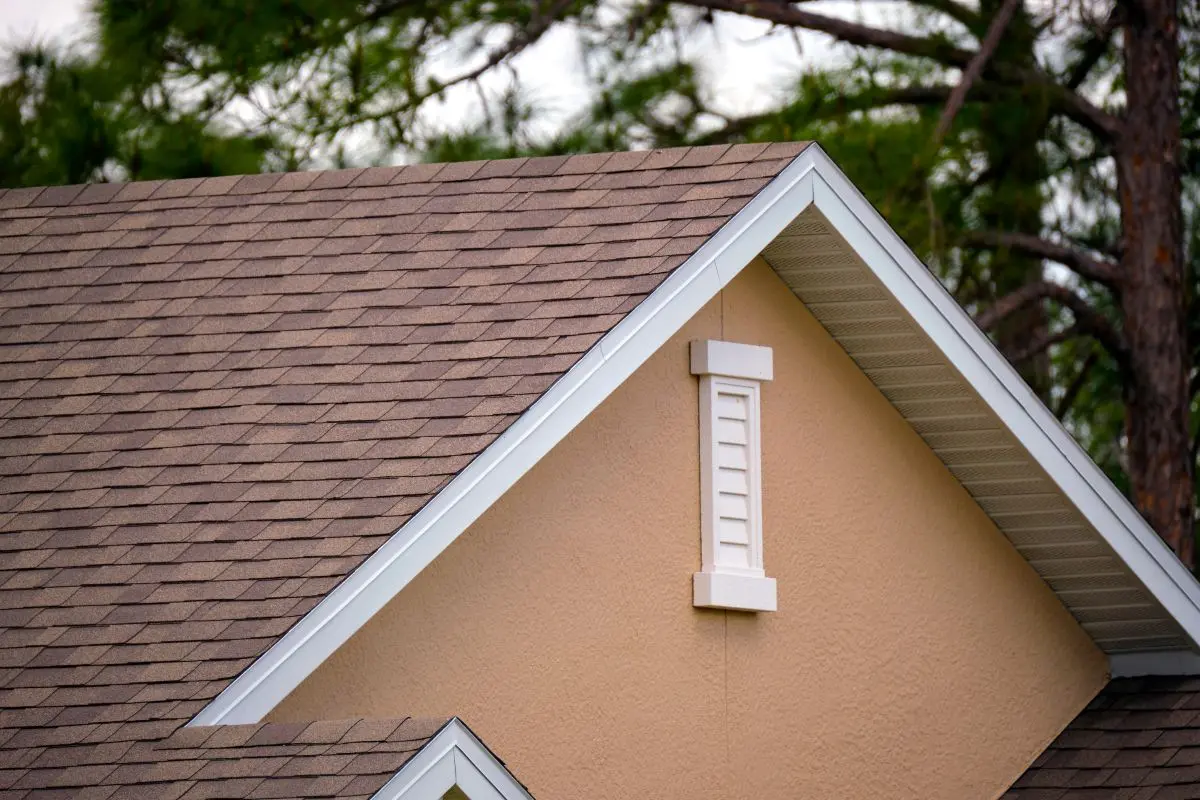
The Minnesota Matching Statute: How Woodbury Homeowners Get Full Siding & Roof Matches
Imagine this: your Woodbury neighbor’s front slope got hit hard on September 21. The adjuster writes a scope for the front slope only. Ten years later he’s selling the house, and the back slope — still the original shingles, weathered differently — is obviously a different shade. Buyers notice. Appraisal suffers.
This scenario is exactly what the Minnesota matching statute was designed to prevent. If you’re filing a Sept 21 claim and your insurer is trying to repair one slope or one side of your siding, there’s a specific Minnesota law that’s on your side. Most homeowners don’t know it exists. Most adjusters don’t bring it up. Today we’re walking through it — Minn. Stat. § 65A.28 — and how to use it for your Woodbury roof, siding, windows, or any other exterior that didn’t all get hit equally.
What the matching statute actually says
Minn. Stat. § 65A.28 — often called the “matching statute” — applies when a covered loss damages part of your property’s exterior and the insurer wants to repair just the damaged portion. The law requires that when replacement materials can’t reasonably match the undamaged surrounding materials, the insurer must cover replacement of the surrounding materials as well, to a “reasonable match.”
In plainer English: if your front slope gets new shingles and they won’t match the rest of the roof, the insurer has to pay to reshingle enough of the roof to make it match. Same with siding. Same with windows. Same with trim.
The statute specifically requires:
- Coverage for replacement of surrounding materials in the same line of sight — slopes visible together count as the same plane
- A “reasonable” match, not a perfect one — but “reasonable” is homeowner-friendly in practice
- Covered losses only (so this applies to Sept 21 hail claims but not to routine wear replacement)
Why the matching statute matters in Woodbury
Most Woodbury roofs are asphalt shingle. Shingles made 10-15 years ago don’t exist anymore — manufacturers discontinue colors and retire product lines. Even if you got the exact same brand and color today, UV exposure has aged your existing shingles; the new ones will look brighter. From the street, it looks like a patch job.
The matching issue is even worse on siding. Vinyl siding manufacturers rotate colors frequently. Aluminum siding from 1995 isn’t made anymore at all. If one elevation got hit, repairing that elevation only produces a visible color-and-style mismatch for as long as you own the home.
The matching statute is the homeowner’s tool to say: “No, I’m not accepting a patch that will make my house look weird. Pay to fix it properly.”
How insurers typically approach matching (and where they push back)
| Insurer response | What it means | Homeowner play |
|---|---|---|
| ‘We’ll replace the damaged slope only’ | Narrow scope — ignores matching statute | Cite § 65A.28, request line-of-sight scope |
| ‘Full roof replacement — slope won’t match’ | Correctly applying matching | Proceed with full scope |
| ‘We’ll allow discontinued-shingle shortage for full roof’ | Good — insurer acknowledged match impossibility | Proceed with full replacement |
| ‘We’ll pay for a ‘close enough’ match’ | Insurer pushing a cosmetic match that isn’t reasonable | Get contractor documentation of shade mismatch, request revision |
| ‘Matching statute only applies to same plane’ | Common misread — statute is about line-of-sight and reasonable match, not strict plane | Escalate to supervisor, reference statute text |
When in doubt, put it in writing. Cite the statute. Request written response.
How it works on roofs specifically
For an asphalt roof, the argument is usually straightforward:
- Same shingle line may not be available (manufacturer discontinued the color or product)
- Even if available, existing shingles have UV-aged so color shade has shifted
- Tear-off on one slope leaves different-generation shingles on the rest of the roof
- Line of sight from the street includes multiple slopes for most homes — mismatch is visible
Documentation to include in your supplemental:
- Photos showing current shingle condition on all slopes
- Manufacturer confirmation that the original shingle is discontinued (contractors can get this)
- Photo comparison of proposed replacement vs existing
- Text of § 65A.28 in the appeal letter
- Line-of-sight photos from the street showing multiple slopes visible together
How it works on siding
Siding matching is even more favorable for homeowners because vinyl and aluminum color runs change frequently. A typical argument:
- Original siding is 12 years old, manufacturer retired that color line in 2019
- Closest current color is one shade off — photo comparison attached
- Elevation that needs repair is one of two visible from the street
- Patch would be permanently visible; full-side replacement resolves it
On a Woodbury home with aluminum siding from the 1990s, the matching argument is often so strong that insurers pay for full four-side replacement without serious pushback.
“Noah is the real deal. After our insurance denied our roof claim and the first roofer walked away, Noah showed up the next day and said he thought he could get us a new roof.”
— Tyler Moberg, Woodbury homeowner (Google review)
Edge cases the statute doesn’t always cover
- Non-covered losses. Wear-and-tear damage or uncovered perils don’t trigger matching.
- Back-of-house not in line of sight. If a damaged rear section is completely hidden from view from any public angle, insurer might limit matching to that section only.
- Cosmetic-only damage exclusions. Some policies exclude cosmetic hail damage specifically. Read your policy.
- Multiple buildings. Matching typically applies per building, not across a property.
- Very-recent installations. If the damaged exterior is only 2-3 years old, current-product matching may be achievable and the statute’s “reasonable” language may not require full replacement.
Matching statute for windows
Windows are a trickier matching case. The statute still applies, but window “matching” involves both appearance and function. If a single window on the downwind side cracked from hail, the insurer will typically replace just that unit. If you have 16 windows across a front elevation and several got hit, matching arguments get stronger.
For mixed-age window replacements, a partial match might be reasonable. For architecturally important elevations (bay windows, three-pane configurations), matching becomes a stronger case.
Matching statute for gutters and soft metals
Gutters are usually straightforward — run replacements are typically matched because gutter colors are limited and current. Downspouts too. Soft metal trim, roof accessories, and chimney caps are more variable.
How to invoke the matching statute (step by step)
- Get your initial scope from the insurer. Read it carefully. Is the damaged area less than the full structure?
- Evaluate the match question. Would the repair be visibly different from the undamaged sections? Get your contractor’s opinion.
- Document the mismatch. Photos, discontinuation documentation, shade comparisons.
- Draft a written supplemental or appeal. Reference § 65A.28. State the line-of-sight issue. Request expanded scope.
- Send via email or certified mail. Keep records.
- Follow up in the 72A.201 timelines. If the insurer doesn’t respond within 10 business days, escalate.
- If they refuse, escalate to supervisor or file a Department of Commerce complaint. mn.gov/commerce.
Sample matching-statute paragraph for your supplemental
“Under Minn. Stat. § 65A.28, when covered damage to part of a structure necessitates replacement of materials that cannot be reasonably matched to adjacent undamaged materials, the carrier is obligated to cover replacement of the surrounding materials as needed to achieve a reasonable match. The attached documentation shows the original shingle [or siding] has been discontinued by the manufacturer and that the proposed scope of replacement would leave the property with visibly mismatched exterior. I respectfully request that the scope be expanded to cover [full roof replacement / full elevation siding replacement] consistent with § 65A.28.”
This paragraph, on letterhead, with attached evidence, resolves most matching disputes without needing to escalate further.
What matching is NOT
- It’s not a free upgrade — it’s cost of repair, not betterment
- It’s not a guarantee of perfect match — “reasonable” is the legal standard
- It’s not applicable to wear-and-tear or non-covered losses
- It’s not a tool for commercial multi-building properties without careful analysis
- It’s not the same as the policy’s “like kind and quality” language — it’s a separate statutory overlay in Minnesota
Other Woodbury storm-claim posts that pair with this
- Woodbury Roofing Guide (pillar)
- The Sept 21, 2026 deadline
- Appealing a denied claim
- Your deductible explained
- Woodbury siding service
What Woodbury homeowners say about Owl
★★★★★
“Noah is the real deal. After our insurance denied our roof claim and the first roofer walked away, Noah showed up the next day and said he thought he could get us a new roof. He came through. I call him The Roof Whisperer.”
— Tyler Moberg, via Google
★★★★★
“It wasn’t an easy process as my insurance company initially was only paying for a handful of shingles, but he eventually got them to pay for the whole roof.”
— BBB Verified Customer, via BBB
★★★★★
“Worked with Noah and it was a great experience. He was very responsive to any questions I had. Good team did a great job getting the roof replaced. For smaller things Noah went above and beyond.”
— John Wharton, via Google
All reviews verified from Owl Roofing’s public review profiles. See more at our reviews page.
Frequently asked questions
What is the Minnesota matching statute?
Does the matching statute apply to the Sept 21, 2025 Woodbury hail claims?
Does every insurance company honor the matching statute?
What counts as a ‘reasonable match’?
Can the insurer deny matching coverage by saying the materials are ‘close enough’?
Does the matching statute mean I automatically get a new roof for one slope of damage?
Don’t accept a patch when you can have a proper repair
We know § 65A.28 and how to document the mismatch cleanly. Free inspection, supplemental handling, and a roof that actually matches. Call (651) 977-6027 or request below.
